How to Identify the Best Bitcoin Casinos in Canada in 2026: A Player's Guide to Safety, Licensing, and Fair Play
How to Identify the Best Bitcoin Casinos in Canada in 2026: A Player's Guide to Safety, Licensing, and Fair Play
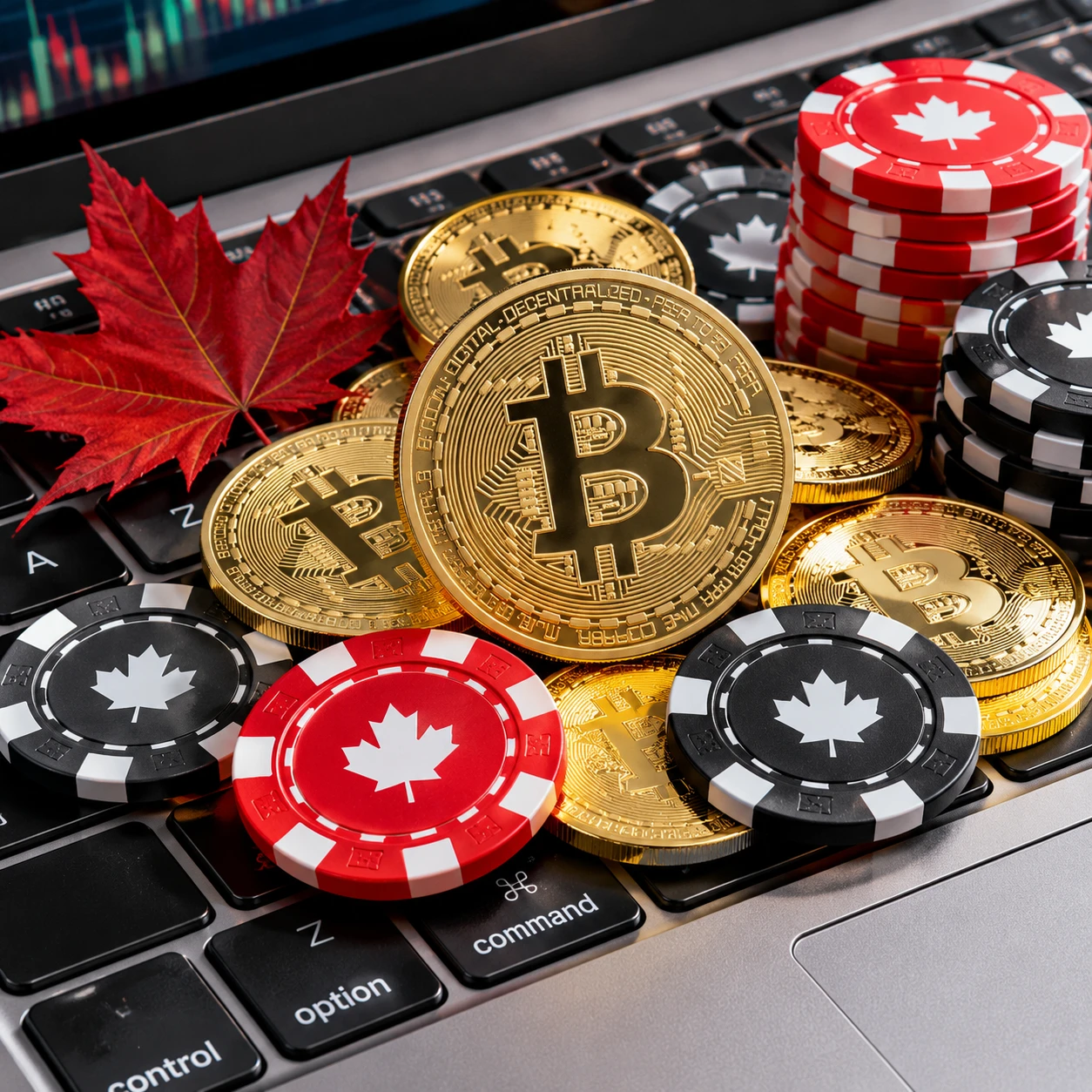
I’ve spent much of this year exploring crypto gambling platforms, talking with other Canadian players, and getting a little worn down by all the noise. Bitcoin casinos have grown quickly in popularity across Canada in 2026, and it’s easy to see the appeal: transactions can clear in minutes rather than days, you don’t have to give your banking details to a third party, and crypto adoption is steadily rising across the country. It can feel like the natural next step for online gambling. But there’s a catch. For every well-run platform, there are plenty of flashy copies making big promises and leaving players with withdrawal headaches. If you’re trying to decide which sites deserve your trust and your satoshis, you need a practical way to assess them—not just a good feeling about a slick homepage.
What Makes a Bitcoin Casino 'Legitimate' in Canada?
At its core, a Bitcoin casino is an online gambling platform that accepts cryptocurrency for deposits and withdrawals, often alongside traditional fiat options. The legal side is where things get less clear. Canada doesn’t have one unified federal framework for crypto gambling. Instead, provinces regulate gaming individually, and most operators serving Canadian players are licensed offshore. That isn’t automatically a red flag, but it does put more of the due diligence on you. You’re relying on foreign regulatory bodies rather than a Canadian watchdog, so it’s worth checking the details before you play.
Licensing Jurisdictions to Look For
Licenses don’t all carry the same weight. The Malta Gaming Authority is widely seen as one of the stricter regulators, with regular audits and clear processes for resolving disputes. Curacao eGaming has historically taken a more lenient approach, though recent reforms have tightened things up somewhat. Closer to home, Quebec’s Kahnawake Gaming Commission has licensed online gambling operators for years, offering a layer of oversight that may feel more familiar to Canadian players. When I vet a new platform, I don’t treat the license in the footer as decoration: I follow the link and check that the registration number appears as active in the regulator’s public database.
Key Safety and Security Indicators
Licensing is only one part of the picture. Technical trust signals can also help distinguish serious operators from fly-by-night sites. They’re not the sort of details that make flashy marketing copy, but they matter once real money—or real crypto—is involved. I check these carefully, rather than assuming a polished design means a platform is safe.
Provably Fair Technology Explained
Provably fair gaming is one useful feature crypto casinos have brought to online gambling. It relies on cryptographic hashing so the casino and the player can check afterward that a game’s outcome wasn’t tampered with. You receive a seed before the round, the casino commits to a hashed result, and then you can independently verify that nothing was changed. The process sounds technical, but reputable sites usually provide a simple verification tool on the game page. If a casino advertises “provably fair” but gives you no way to check the result, the claim doesn’t mean much.
Wallet Security and Cold Storage Practices
Trustworthy operators don’t leave all customer funds in a hot wallet connected to the internet around the clock. Better-run sites use hot wallets for day-to-day withdrawals and cold storage for most of their reserves, which can reduce exposure if a breach occurs. I also check for two-factor authentication requirements and withdrawal address whitelisting. Those details can seem small, but they suggest the operator is thinking about security before a problem arises, not only reacting after one.
Red Flags That Signal an Untrustworthy Casino
After spending enough time in forums and reading review threads, you start to notice familiar warning signs. These are the ones I don’t brush aside:
- Terms and conditions that are vague, contradictory, or buried behind confusing legal jargon
- No visible third-party audit certifications or outdated audit dates
- Anonymous ownership with no corporate information or physical address listed anywhere
- Consistent complaints about delayed or denied withdrawals in player communities
- Zero responsible gambling tools, like deposit limits or self-exclusion options
One warning sign might have an explanation. Two or more together? I close the tab and move on.
How to Evaluate Fair Play and Game Integrity
Fair play means more than a provably fair label on crypto-specific games. For slots and table games from established software providers, I check whether independent testing labs such as eCOGRA or iTech Labs have certified the RTP (return to player) rates. These organizations use statistical audits of game outcomes to check whether the advertised odds match the results. Transparent payout histories, published RTP percentages, and visible audit badges are all useful signs to look for. When I research the best bitcoin casinos available to Canadian players, I also check consumer protection resources like best bitcoin casinos. They can help me cross-reference a platform’s reputation and spot consumer complaints before I put real funds at risk. It’s another check, and it takes only a few minutes.
Reading Terms and Conditions Carefully
Fine print isn’t anyone’s favourite reading, but it’s often where casinos set out the conditions that protect them—and can catch players off guard. Pay close attention to bonus wagering requirements. A “generous” 200% match deposit bonus may be worth little if it comes with a 50x wagering requirement that’s nearly impossible to clear. Check withdrawal limits per day or week, too, and look closely at crypto-related fees. Some platforms add network fees or conversion charges that can eat into your winnings.
Responsible Gambling and Player Protection Resources
Even an exciting crypto casino experience needs guardrails. Legitimate platforms offer self-exclusion tools, customizable deposit and loss limits, and session time reminders. Canadian players dealing with gambling-related concerns can contact organizations such as the Canadian Centre on Substance Use and Addiction or provincial responsible gambling councils. Many now address crypto gambling specifically as its popularity grows. Pair those support options with the consumer protection checks mentioned earlier, and you have a stronger safety net than the casino’s marketing claims alone can provide.
Step-by-Step Checklist Before You Deposit
Before sending a single satoshi to a platform, I run through this quick checklist:
- Confirm the license number against the regulator's official public registry
- Verify provably fair tools are actually functional, not just advertised
- Look for recent third-party RTP audit certificates (eCOGRA, iTech Labs)
- Read the bonus terms in full, focusing on wagering requirements and withdrawal caps
- Check for cold storage practices and two-factor authentication
- Test customer support responsiveness with a question before depositing
- Confirm responsible gambling tools are present and easy to access
Finding your way around Bitcoin casinos in Canada in 2026 doesn’t have to feel like a gamble in itself, irony and all. The platforms worth your time are the ones that make licensing, security, and fairness easy to verify instead of hiding behind flashy welcome bonuses. Take a few extra minutes to check regulatory databases, read the actual terms, and consult consumer protection resources if something doesn’t add up. Due diligence isn’t glamorous, but it can make the difference between a positive crypto gambling experience and a frustrating one.